Transforming Healthcare - Better Outcomes at Lower Costs
The US spent $4.3 trillion on health care in 2021, which accounted for about 18% of GDP. In 2021, life expectancy was 76.1 years - the lowest in 25 years. Health outcomes have clearly not matched the spending.
The Centers for Medicare and Medicaid Services (CMS) estimates national health spending to reach $6.8 trillion by 2030 which will account for about 20% of GDP. The UN Sustainable Development Goals (SDG) has a 2030 target of universal and affordable health care. Data shows that the US is not on track to meet its SDG 3 targets.
The Direct-Care Capitation Payment Model is a healthcare model that provides for universal and affordable health care. It right-aligns market forces and significantly cuts down on waste. It brings the focus back to preventive care and prioritizes quality of life. It will provide better health outcomes at about a third of the cost and will put the US on track to meet SDG 3 targets.
Health Spending and Outcomes
The Organization for Economic Cooperation and Development (OECD) publishes data annually about the health systems of its member countries. The figure below shows the trend over the years for OECD member countries.
| Model | Increase in costs (2000 - 2021) |
|---|---|
| UK model (Veterans Affairs) | 374% |
| Canada model (Medicare) | 242% |
| Germany model (Private Health Insurance) | 134% |
| Consumer Price Index | 54% |
| Out-of-Pocket model | 40% |
The UK (Veterans Affairs) model’s costs went up about 7x inflation in two decades. The Canada (Medicare) model’s costs went up over 4x inflation in the same period. The cost of the Germany (Private Health Insurance) model went up about 2.5x. Most private health insurance plans today are high-deductible plans. If you include out-of-pocket costs when you are under the deductible, the per-capita costs would be much higher. None of these healthcare models can put the US on track to meet its SDG 3 target.
The costs for the Out-of-Pocket model, when adjusted for inflation, declined over the same period. The Out-of-Pocket model shows that where there is price transparency and no third-party intermediating payments, medical services can be provided at much lower costs. In the UK (Veterans Affairs) model, the government is the provider and the payer. In the Canada (Medicare) model, the government is the single-payer. The data also shows that greater the government intervention, the higher the costs.
This data provides the needed insights into reducing costs while improving health outcomes. Costs can be reduced when there is price transparency and by reduced third-party mediation. Health outcomes can be improved by facilitating early intervention and preventive care.
Direct-Care Capitation Payment Model
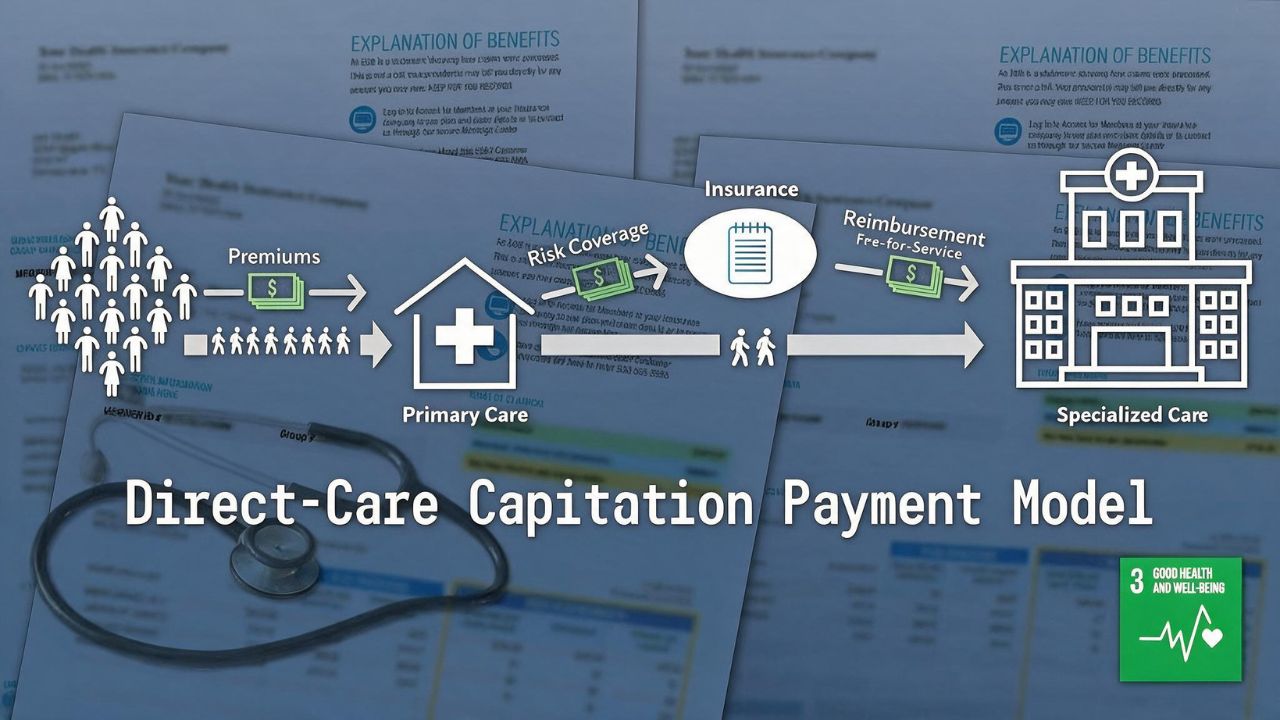
In the Direct-Care Capitation Payment model, the only touchpoint that a patient has for their health is their primary care provider. The primary care provider is responsible and accountable for community health outcomes. Every family makes a capitation payment to a primary care center that covers all health care needs. The model provides predictable revenue to a primary care center, significantly reduces administrative overheads, and eliminates claim processing. The figure below illustrates the Direct-Care Capitation Payment model.
| Current Healthcare Model (2021 Data) | Direct-Care Capitation Payment Model | |
|---|---|---|
| Total cost of health care | $4.3 Trillion | $1.56 Trillion |
| Generalists | 100,801 | 1.3 Million |
| Specialists | 765,515 | 200,000 |
| Total Doctors | 866,316 | 1.5 Million |
| Doctors per 1000 | 2.59 | 4.48 |
| Life Expectancy | 76.1 | 81.2 |
The Direct-Care Capitation Payment model increases the number of primary-care physicians from 100,801 to 1.3 million which should show a corresponding increase in life expectancy of over 5 years. It will incentivize quality and not quantity. It will create a system where the incentive to innovate is rewarded and aligned to patient outcomes.
The Direct-Care Capitation Payment model will eliminate open enrollment nightmares, give you your choice of doctors, significantly reduce costs, and will improve community health outcomes. Market forces will balance the mix of generalists and specialists, align profits with quality of care and health outcomes, and allow and incentivize providers to focus back on primary care and community health. It will prioritize quality of life over quantity of life.
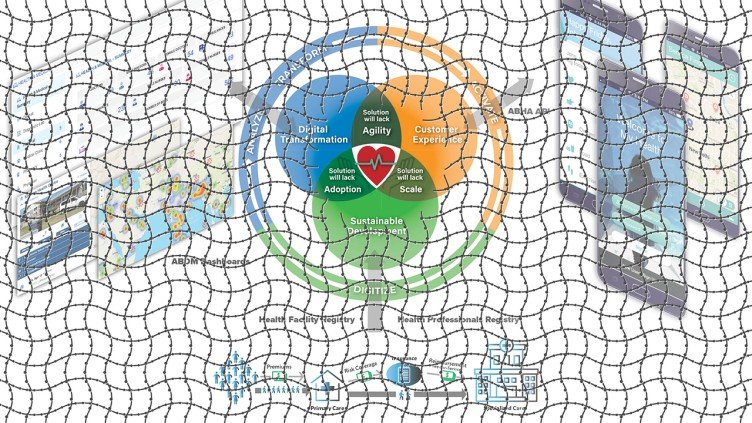
The Direct-Care Capitation Payment model will provide universal and affordable health care. It will allow countries to meet SDG 3 targets. It right-aligns market forces, leverages market efficiencies, and will in the longer-term deliver better outcomes. The model’s success will be determined by the ability of the system to scale, in its agility to adapt to change, and in its adoption by the people.
Scale, Agility, and Adoption
Health care today commodifies sickness. The Direct-Care Capitation Payment model will commoditize health. It aligns patient interests with that of the primary care provider. Improved community health outcomes will reduce risk insurance for the primary care provider and improve profits.
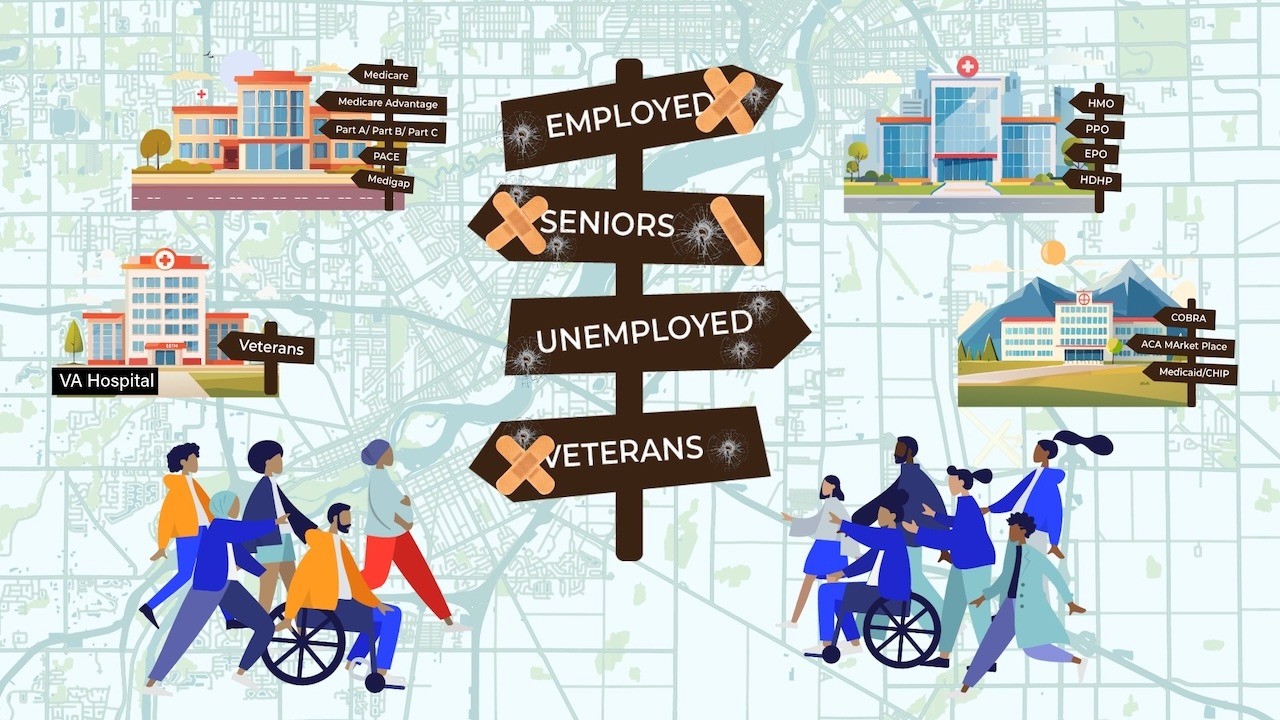
The Direct-Care Capitation Payment model provides a sustainable framework that provides real value to the consumer and can sustain delivery of value at scale. It elevates the customer experience - no enrollment nightmares, no plans to choose, no deductibles or caps or exclusions to worry about. The only touchpoint that a person has is their primary health care provider who is responsible and accountable for their health.
Technology today depersonalizes the patient experience. The Direct-Care Capitation Model will enable and incentivize the providers to digitally scale out personalized patient services. The model right-aligns market forces, provides the agility in adapting to change, and market efficiencies will keep costs in check.
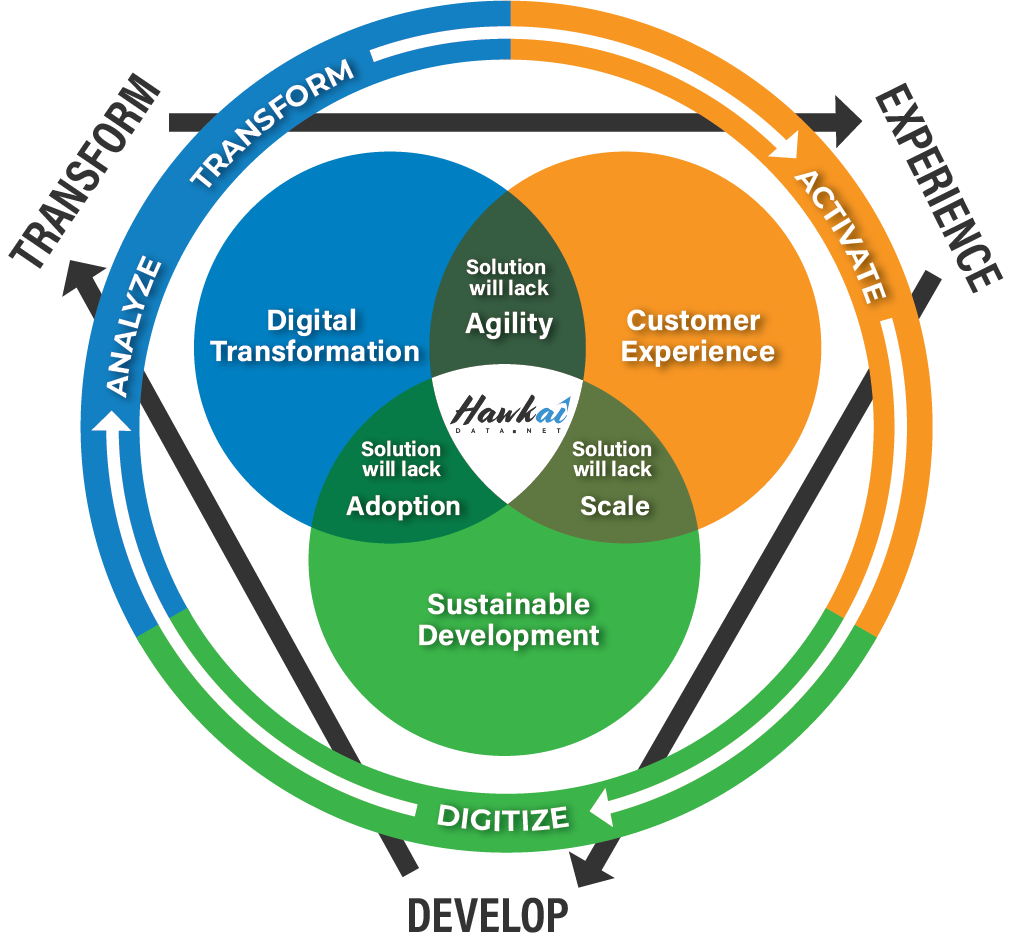
Right-aligning people, profits, and the planet makes good business sense. The Direct-Care Capitation Payment model will create resilient communities, profitable healthcare businesses, and significantly cut down waste. It will allow doctors to go back to caring for their patients. It will transform our health care and put the US on a sustainable path to meet its SDG 3 targets by the year 2030. It is time to lead by the power of our example.
Further Reading
1. Lown B. The Commodification of Health Care. PNHP Newsletter. 2007. Available at https://www.pnhp.org/publications/the_commodification_of_health_care.php?
2. Shetty D. India needs universal health insurance, not universal healthcare. The Times of India. January 29, 2023. Available at https://timesofindia.indiatimes.com/india/for-health-you-neednt-have-wealth/articleshow/97421043.cms
3. Yousif N. Canada pledges billions to help fix healthcare system. BBC News. February 9, 2023. Available at https://www.bbc.com/news/world-us-canada-64574072
4. Ziady H. Britain's NHS was once idolized. Now its worst-ever crisis is fueling a boom in private care. CNN Business. February 6, 2023. Available at https://www.cnn.com/2023/02/06/business/nhs-strikes-private-healthcare-uk/index.html
5. John R. The Rash that Cost $1538. Hawkai Data Blog. January 2023. Available at https://www.linkedin.com/pulse/rash-cost-1538-ranjit-john?
6. Commodify vs Commoditize, Read at https://en.wikipedia.org/wiki/Commoditization
Data Sources
Organization for Economic Co-operation and Development (OECD) data is available at https://stats.oecd.org/
Centers for Medicare and Medicaid Services (CMS) data is available at https://data.cms.gov/
U.S. Bureau of Labor Statistics (BLS) data is available at https://www.bls.gov/data/
The Aesthetic Society data is available at https://www.theaestheticsociety.org/media/procedural-statistics
American Geriatrics Society data is available at https://www.americangeriatrics.org/
Learn more about Hawkai Data at https://hawkai.net, follow us on LinkedIn at https://www.linkedin.com/company/hawkai-data/, or talk to us at info@hawkai.net.